The True Cost of Hard Water: What It's Doing to Your Appliances, Your Skin, and Your Wallet
Sioux Falls water averages 20 grains per gallon of hardness. Here's the real math on what that costs you every year — in appliance repairs, energy bills, and time.
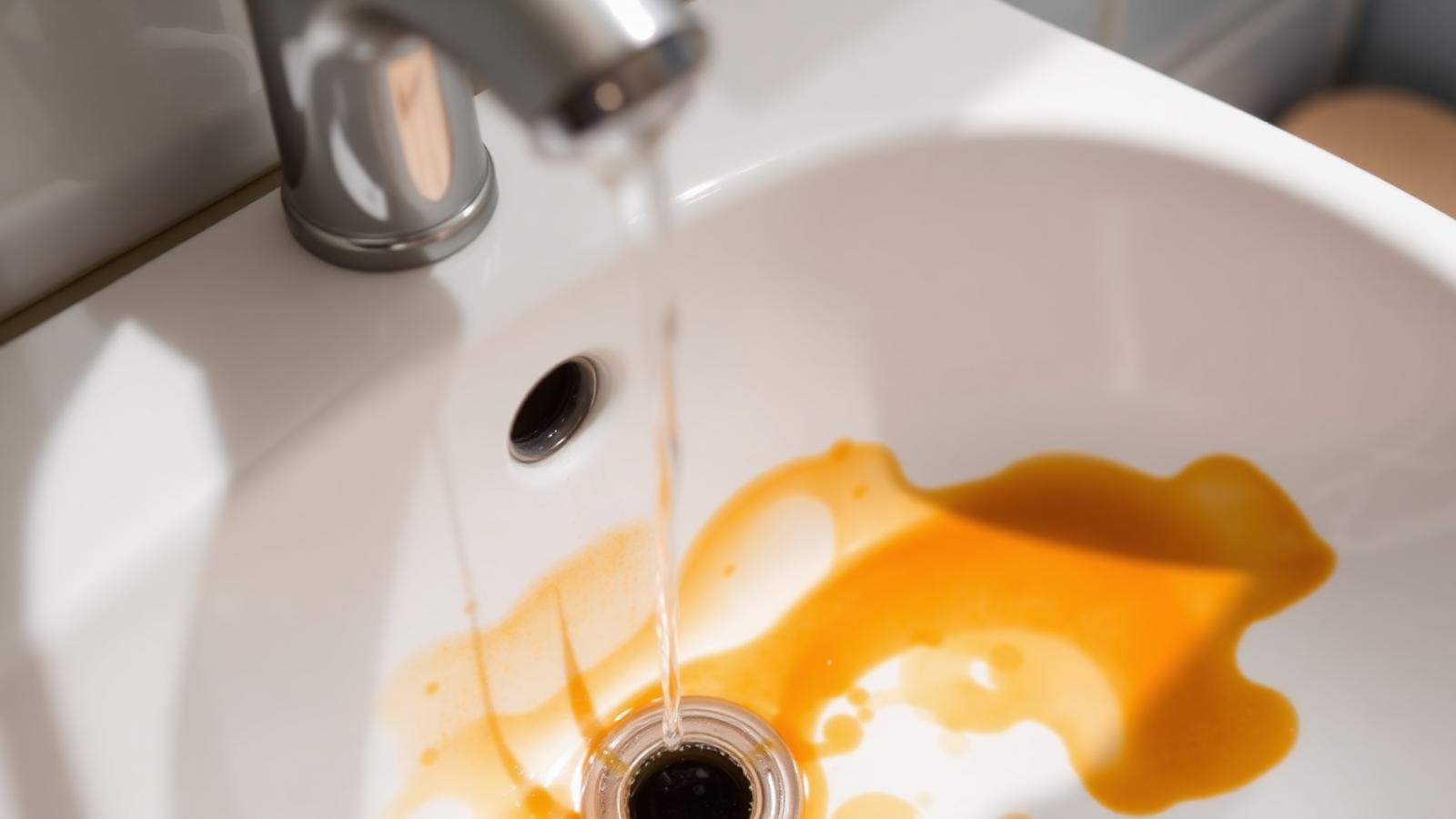
Most homeowners in Sioux Falls know their water is hard. What they don't always know is exactly how much that hardness is costing them every month — not in a vague, someday-my-water-heater-will-die way, but in dollars leaving their bank account right now. The truth is that hard water is one of the most expensive utilities in a typical home, and unlike your electric or gas bill, nobody sends you an invoice for it. It just quietly eats appliances, wastes soap, and shows up on your next replacement estimate.
Let's put actual numbers on it.
What 'hard' actually means here
Water hardness is measured in grains per gallon (gpg) or parts per million (ppm). The U.S. Geological Survey classifies anything over 10.5 gpg as 'very hard.' Sioux Falls municipal water averages 18 to 22 gpg — nearly double that threshold. Most wells in the surrounding area are harder still. For comparison, cities like Seattle sit around 2 to 3 gpg, and their residents have never once looked at their glassware and wondered why it's cloudy.
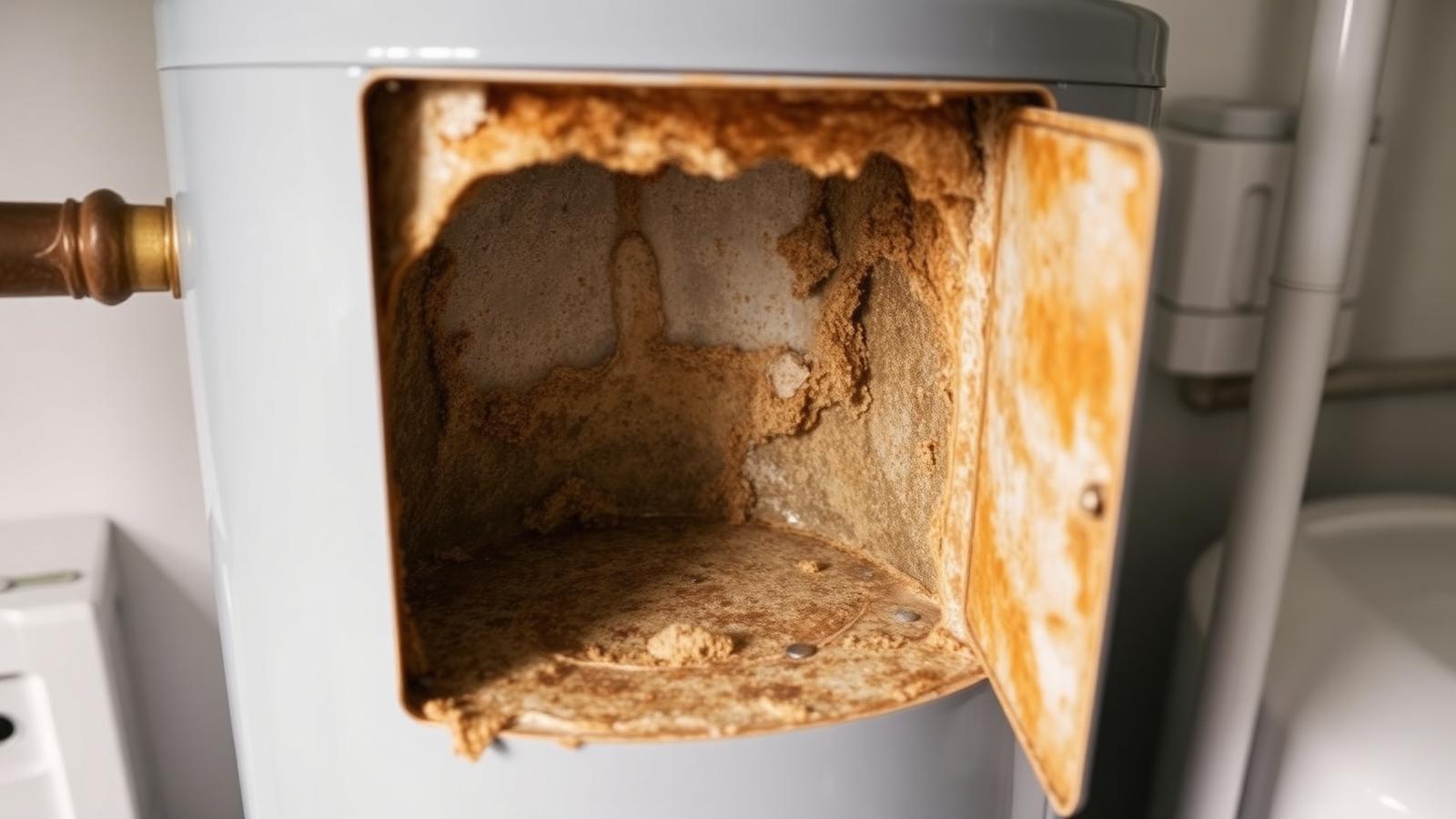
Those hardness minerals — mostly calcium and magnesium — don't stay dissolved forever. Any time water is heated, sits still, or evaporates, they precipitate out and stick to whatever surface they're touching. That's why the scale in a water heater accumulates in the tank, not in the cold-water line.
The water heater tax
The Water Quality Research Foundation (WQRF) published a landmark study using instrumented water heaters run on water of varying hardness for months at a time. The results were consistent enough to be uncomfortable:
- Tank water heaters lost up to 48% of their efficiency after just 1.6 years on hard water.
- Tankless water heaters failed completely in less than 2 years on untreated hard water in some tests.
- Softened water heaters retained their original efficiency for the full test period.
Translate that to a real Sioux Falls household. A typical 50-gallon gas water heater uses about $250 to $400 per year in energy at current rates. Lose half that efficiency and you're paying an extra $125 to $200 per year just to overcome the scale coating the heating element. Over the 10-year life of a heater, that's $1,250 to $2,000 in wasted energy — before you even factor in the replacement.
And you will replace it sooner. Scaled water heaters typically fail in 6 to 8 years instead of the expected 10 to 12. A new heater installed runs $1,500 to $3,500 depending on type. Move that replacement up by four years and it's a real number.
Dishwashers, washing machines, and everything else
The same WQRF study looked at other water-using appliances. Dishwashers on hard water needed 30% more detergent to achieve the same clean, and their internal spray arms and heating elements showed measurable scale buildup within 30 days. Washing machines used significantly more detergent (up to 50% more) and left clothes visibly less clean at the same dosage.
Faucets and shower heads are the visible casualties. Aerators clog. Flow drops. Homeowners buy new fixtures instead of soaking the old ones in vinegar for the third time. A single mid-range shower head costs $60 to $150 installed. Multiply by 3 or 4 fixtures replaced over a decade and you're at real money for a problem that a $2,000 softener would have prevented.
The soap and detergent line item
This is the one people never add up. Hard water requires more soap, more shampoo, more dish detergent, more laundry pods, and more all-purpose cleaner to do the same job. Independent testing has consistently found that softened water reduces cleaning product usage by 50% to 75%. For an average household spending $60 to $90 a month on cleaning supplies, that's $360 to $600 saved per year. That single line item pays for a softener within 4 to 6 years.
The costs that don't have a line item
Not everything hard water does to your home shows up on a receipt. Some of the biggest complaints we hear are quality-of-life ones:
- Dry, itchy skin after every shower, because soap forms curds that stick to skin and hair rather than rinsing away.
- Cloudy glassware and permanent etching on drinking glasses over time.
- Stiff, scratchy towels no matter how much fabric softener you use.
- Soap scum on tile and shower doors that returns within days of cleaning.
- Faded, dingy laundry — dark colors go gray, whites go tan.
There's also a resale angle. Real estate agents in the Sioux Falls market increasingly flag whole-home softeners as a selling point, particularly in the $400,000-plus range where buyers expect updated systems. It's a fixed capital improvement that stays with the house.
Adding it all up
For a typical Sioux Falls family of four, the annual cost of untreated hard water breaks down roughly like this:
- Extra water heater energy: $125 to $200
- Extra cleaning products: $360 to $600
- Accelerated appliance replacement (amortized): $150 to $300
- Fixture replacement (amortized): $50 to $150
That's $685 to $1,250 every year, indefinitely, for as long as you own the home. A quality EcoWater softener installed runs $1,800 to $3,500 depending on capacity and features. The math works out to a break-even in 2 to 4 years, followed by 15-plus years of pure savings, plus every quality-of-life benefit thrown in for free.
The counterargument (and the answer)
The most common objection we hear is 'I don't want to drink salty water.' Softened water contains a tiny amount of added sodium — for Sioux Falls hardness, roughly 75 mg per liter, or about the same as a slice of bread. For most people it's a non-issue. If you're on a strict sodium-restricted diet, we typically recommend a softener for the whole house paired with a reverse-osmosis system at the kitchen sink for drinking and cooking. RO removes the added sodium, so the water you drink is essentially pure.
The other objection is up-front cost. That's what free water tests and honest recommendations are for. We size the system to your actual water and actual usage — no over-selling. Financing is available if it helps, but even at cash prices the numbers work for most households.
The bottom line
Hard water isn't just an inconvenience in Sioux Falls. It's a persistent, quantifiable expense that most homeowners underestimate by a factor of two or three. Fixing it isn't about luxury or preference — it's about stopping the leak in your household budget and getting appliances to last as long as they were designed to. Once you see the numbers, the only surprising thing is that anyone in this water goes without a softener at all.
Get your water tested — free
We'll come to you, measure your water, and recommend the right fix. No pressure.
Book a Free Water Test