Iron in Sioux Falls Well Water: Causes, Health Effects, and How to Remove It
Rust-orange stains, metallic taste, and clogged fixtures are the calling card of iron in well water. Here's what causes it in eastern South Dakota — and how to get rid of it for good.
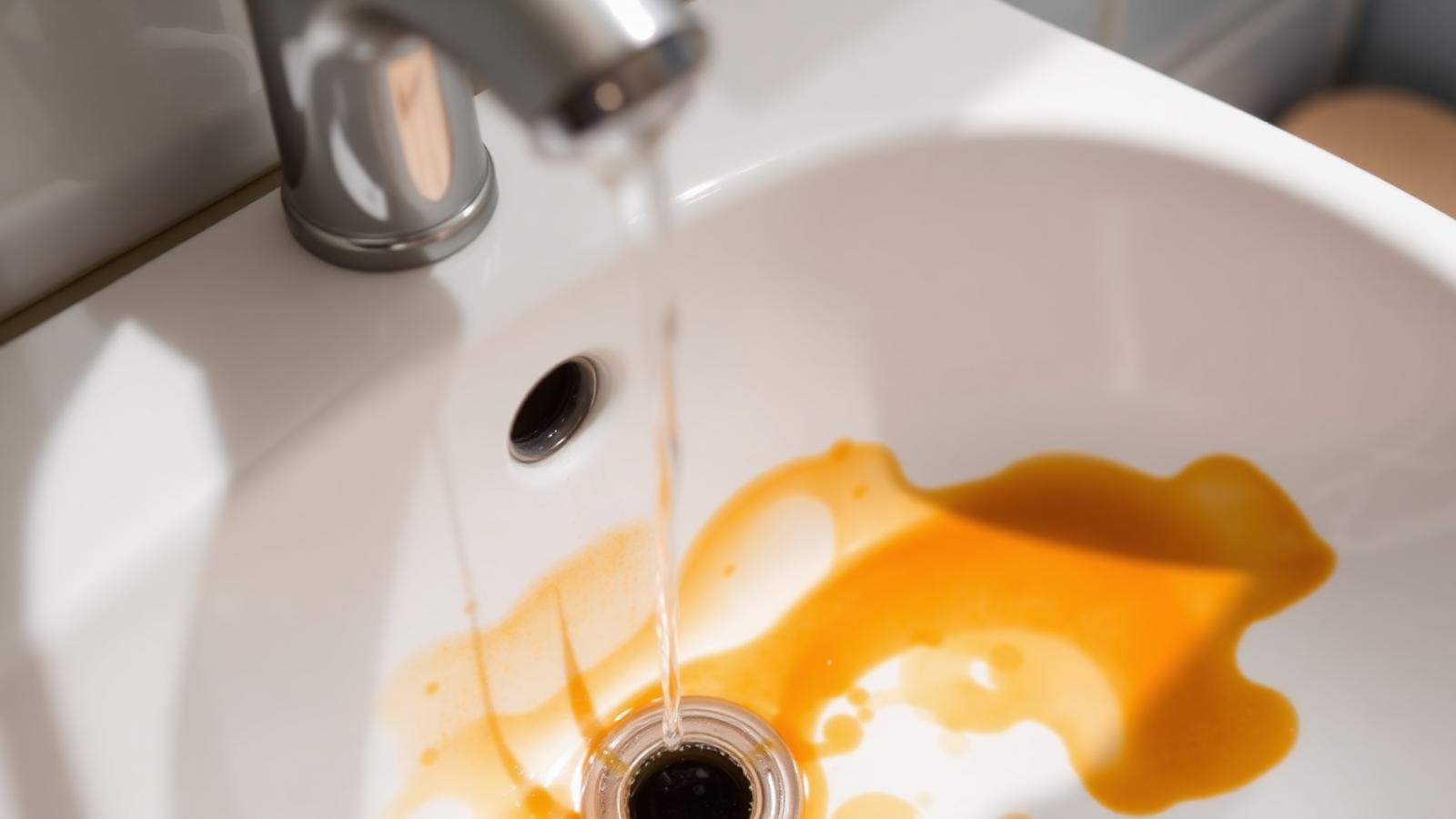
If you live outside the Sioux Falls city limits — Brandon, Hartford, Dell Rapids, Colton, or anywhere the well is your primary water source — there's a very good chance you've seen the signs of iron. Orange rings around the toilet bowl. A rust-colored streak in the shower where the last drip landed. Laundry that comes out of the washer looking dingier than when it went in. Coffee that tastes vaguely metallic no matter which beans you buy. Iron is the single most common well water complaint we hear in southeast South Dakota, and it's also one of the easiest to fix once you understand what's actually happening in your plumbing.
Where the iron comes from
South Dakota sits on top of the Dakota Aquifer and, in the Sioux Falls area, the Big Sioux Aquifer — two water sources with naturally high mineral content. As rainwater moves through soil and rock over decades, it dissolves iron out of the surrounding minerals. By the time that water reaches your well casing, it can carry anywhere from 0.3 parts per million (ppm) to 10 ppm of dissolved iron, sometimes more. The EPA's secondary drinking water standard — a taste-and-appearance guideline, not a health limit — is 0.3 ppm. Anything above that starts to become visible and taste-detectable.
There are three distinct types of iron you can encounter in a private well, and knowing which one you have is the difference between a system that works and a system that clogs up in six months.
The three faces of iron
- Ferrous (clear-water) iron: dissolved in the water, invisible at the tap. Fill a glass and it looks clean — but leave it on the counter for a few hours and a rust-colored ring appears. This is the most common form in Sioux Falls-area wells.
- Ferric (red-water) iron: already oxidized before it reaches you. The water looks tea-colored or rusty straight out of the faucet. Usually indicates an older well or one where air has entered the system.
- Iron bacteria: living organisms that feed on iron. They leave a slimy, reddish-brown film in toilet tanks and can produce a rotten, swampy odor. This is the one that ruins standard iron filters if you skip proper testing.
A good treatment recommendation starts with a proper test. We measure total iron, dissolved iron, pH, hardness, manganese, and hydrogen sulfide together — because they interact. A softener alone can handle small amounts of dissolved iron, but push it past its comfort zone and the resin bed gets fouled and dies early. That's an expensive lesson learned by a lot of homeowners who bought a big-box store softener and expected it to solve a well water problem it wasn't designed for.
Is iron in your water dangerous?
The short answer: rarely. The EPA classifies iron as a secondary contaminant, meaning it's regulated for aesthetics and utility, not for health. Adult humans actually need iron in their diet, and the amount you'd get from drinking water is negligible compared to food sources. Iron bacteria are similarly non-pathogenic — they don't cause disease in healthy people.
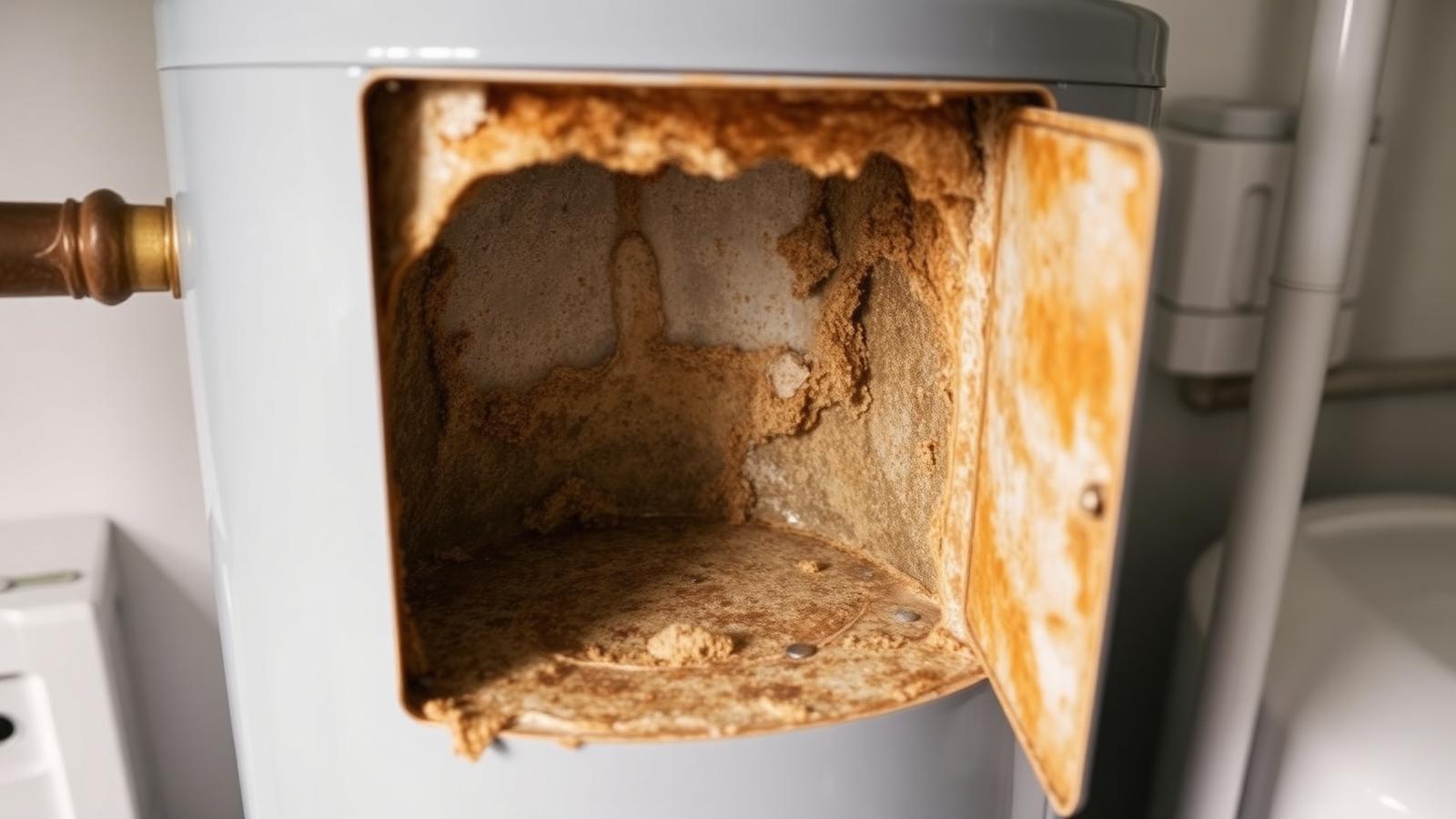
That said, iron in water isn't harmless to your home. Over months and years, iron oxidizes inside pipes, water heaters, dishwashers, and washing machines. It coats heating elements, reducing efficiency and shortening lifespan. It permanently stains laundry, grout, and porcelain. And in a well system with iron bacteria, the slime can slowly obstruct pressure tanks, aerators, and even the well pump itself.
There's also a quality-of-life cost that doesn't show up on a lab report. Metallic-tasting coffee. Skin that feels rough after a shower because iron reacts with soap to form insoluble curds. Clothes that lose their color faster than they should. These are the daily annoyances that push most homeowners to finally solve the problem.
Removing iron: the right tool for the job
There's no single 'iron filter' that solves every situation. The right system depends on the type and amount of iron, plus what other issues are in your water. Here are the three approaches that cover most homes in our service area.
1. Softener with iron-cleaning resin. Best for wells with clear-water iron up to about 3 ppm, no bacteria, and a household that's already dealing with hardness. Modern EcoWater softeners like the ERR 3702 use high-capacity resin and dedicated cleaning cycles that regenerate the bed against iron fouling. This is the most cost-effective option for the majority of homes.
2. Dedicated iron filter (air-injection or catalytic). Best for iron above 3 ppm, iron with sulfur odor, or manganese in the mix. These systems oxidize dissolved iron into a solid particle inside a media tank, then backwash it to drain. No chemicals, no salt for the iron stage. Pair it with a softener downstream if hardness is also high.
3. Chemical oxidation + filtration. Reserved for extreme cases — iron above 10 ppm, heavy iron bacteria, or a well that keeps re-fouling other systems. Usually a small chlorine or peroxide feed followed by a contact tank and filter. Overkill for most homes, but sometimes the only answer for the toughest wells.
How to know what you have — for free
Guessing costs money. Every week we get calls from homeowners who bought a system online, installed it themselves, and are now watching orange water come out of the tap anyway. The system was fine — the water wasn't what they thought it was.
We offer free in-home water tests anywhere in the Sioux Falls area. A technician comes to your house, pulls samples from the well and from an inside tap, tests iron, hardness, pH, and TDS on the spot, and walks you through what the results mean. There's no obligation. If your water is fine, we tell you it's fine. If it needs a system, we give you a written recommendation and a straight price. That's the whole appointment — usually under an hour.
Maintenance that keeps an iron system working
Iron treatment is not install-and-forget. The most common reason we're called out to 'broken' systems is missed maintenance. A few small habits keep them running for a decade or more:
- Use iron-cleaning salt or add a resin cleaner (like Iron Out or Res-Up) to your softener every 3 to 6 months.
- Check the brine tank for iron sludge annually and clean it out if you find any.
- Backwash iron filters on the manufacturer's schedule — usually every 2 to 3 days.
- Have the system inspected professionally every 2 years. A 20-minute check catches valve wear, pressure loss, or media exhaustion before it becomes a rusty-water emergency.
The bottom line
Iron in Sioux Falls well water is a solved problem — but only when you match the system to the water. The right approach starts with a real test, not a guess. Whether you end up with a modern softener, a dedicated iron filter, or a combined system, the goal is the same: clean, clear water at every tap, without the orange stains and metallic taste that so many rural households have just learned to live with. You shouldn't have to.
Ready to find out exactly what's in your water? Schedule a free in-home test and we'll bring the answers to you.
Get your water tested — free
We'll come to you, measure your water, and recommend the right fix. No pressure.
Book a Free Water Test